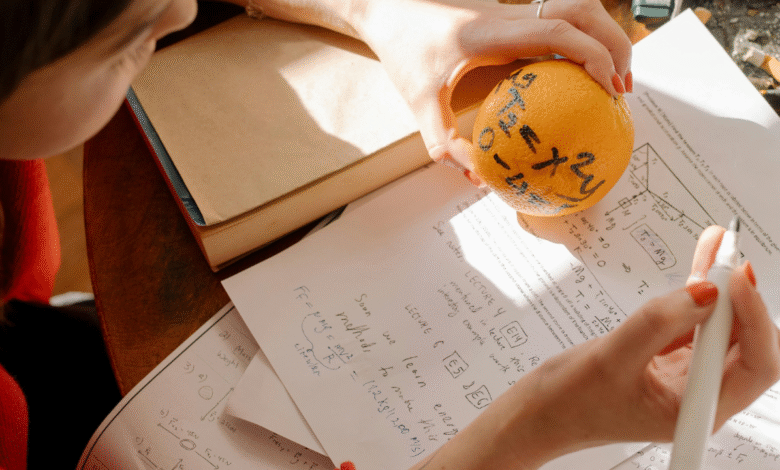
Preparing for the CBSE Class 10 board exam is a key academic milestone. A strategic approach helps students stay focused and achieve high scores amidst increasing competition and changing exam patterns.
This comprehensive exam guide is designed to help students understand the exam structure, best study material, and effective preparation strategies. It focuses on essential elements such as the CBSE Class 10 syllabus, exam pattern, practice methods, and the role of CBSE Class 10 sample papers in scoring well in the board exam.
Understanding the CBSE Class 10 Syllabus
The first step to effective exam preparation is knowing what to study, which begins with understanding the CBSE Class 10 syllabus. Referring to the latest syllabus ensures students stay on track and avoid unnecessary effort.
The syllabus includes detailed content for subjects like:
- Mathematics
- Science (Physics, Chemistry, Biology)
- English Language and Literature
- Social Science
- Hindi A / Hindi B
- Information Technology and optional subjects
Each subject syllabus outlines units, chapters, mark weightage, competencies, and suggested exercises. Studying based on the marks distribution helps students prioritise high-weightage chapters and allocate time accordingly.
Why the CBSE Class 10 Syllabus Matters
- Helps in planned time management
- Prevents studying unnecessary or outdated content
- Gives clarity on exam structure and paper format
- Helps track completion and revision progress
One major mistake students make is jumping directly into textbooks without understanding what’s required. Reviewing the CBSE Class 10 syllabus first ensures a focused and smart learning strategy rather than random study patterns.
Importance of CBSE Class 10 Sample Papers in Preparation
Once students are familiar with the syllabus and concepts, the next crucial step is practising with CBSE Class 10 sample papers. CBSE officially releases sample papers every year based on the latest exam format. These sample papers help students understand:
- Question patterns (MCQ, short answers, long answers)
- Difficulty level expected in the board exam
- Typing and wording style of questions
- Time management during the exam
Practicing CBSE Class 10 sample papers helps bridge the gap between preparation and performance. Students often know the concepts but struggle with time pressure or writing structured answers. Solving sample papers under timed conditions builds confidence and exam-readiness.
Benefits of Solving Sample Papers
- Reduces exam fear and increases speed and accuracy
- Improves writing practice, especially in English and Social Science
- Identifies weak topics needing revision
- Enhances understanding of marking schemes and answer formats
Experts recommend that students solve at least 10–15 sample papers throughout the year for maximum benefit.
Study Strategy for CBSE Class 10 Board Exams
A strong preparation strategy includes three phases:
Phase 1 — Learning and Concept Clarity
Spend the first few months deeply understanding the concepts. Use NCERT books as the primary source because board questions are mostly based on NCERT examples and exercises.
Tips:
- Maintain chapter-wise notes and formulas
- Highlight important definitions
- Understand concepts instead of memorizing
Phase 2 — Practice and Application
Once topics are understood, begin applying knowledge through:
- CBSE Class 10 sample papers
- Previous years’ question papers
- Chapter-wise worksheets
- Concept-based mock tests
This improves accuracy and problem-solving skills.
Phase 3 — Revision and Mock Testing
The final stage involves intense revision.
- Prepare revision notes
- Re-attempt incorrect questions
- Solve full-length mock papers
By this stage, the exam pattern, time management, and writing style should feel familiar.
Common Mistakes Students Should Avoid
- Studying without looking at the most recent CBSE Class 10 syllabus
- Learning answers without really understanding them
- Not paying attention to NCERT and only using guidebooks
- Not doing sample papers for CBSE Class 10 before the test
- Studying without a set schedule
Avoiding these mistakes can significantly improve final results.
Final Tips for Scoring High in CBSE Class 10
- Make a schedule and stick to it every day.
- Don’t rush at the last minute; instead, review often.
- Take short breaks to keep from getting tired of studying.
- Get the latest news from CBSE.
- Have faith in yourself and stay positive.
Conclusion
The CBSE Class 10 board exam is not just an assessment but a stepping stone toward future academic goals. With a proper understanding of the CBSE Class 10 syllabus and consistent practice using CBSE Class 10 sample papers, students can prepare confidently and score excellent marks.
Success depends not only on how much you study but how smartly and consistently you prepare. Start early, practice regularly, and stay committed — because the right preparation today builds a stronger academic tomorrow.