Early childhood development depends on consistent support from both educators and parents. Shared insights between home and preschool environments help identify habits, interests, and emotional patterns at an early stage. This exchange creates a stronger support system for children during formative years. It also helps maintain consistency in learning and behavior.
Shared Communication for Early Development
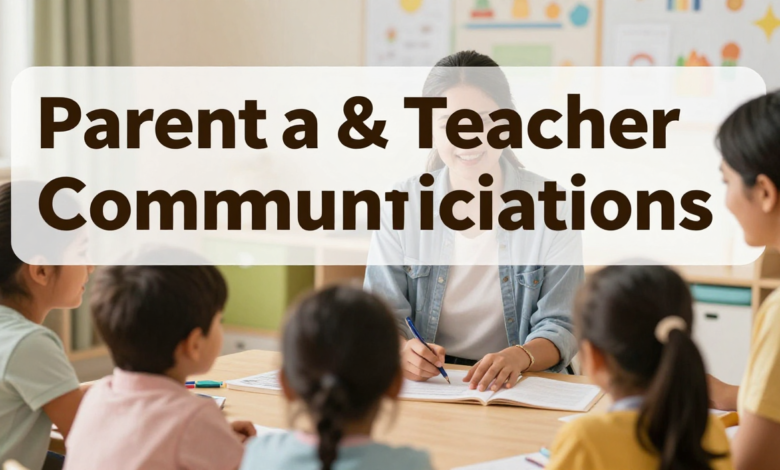
Regular communication between parents and educators supports better observation of child behavior and learning habits. Many top preschools in Gurgaon encourage structured interaction through meetings, notes, and activity updates. These discussions help with emotional and academic support during early childhood. They also create clarity about progress, participation, and comfort levels.
Parents often notice habits at home that may differ from preschool behavior. Educators, on the other hand, observe interaction, language use, and group response during activities. Shared insights help identify patterns that may need attention or encouragement. This balanced understanding supports more effective child development.
Emotional Support Through Joint Observation
Children express emotions differently at home and in preschool environments across Gurgaon. Parent-teacher discussions help identify signs of hesitation, excitement, or social discomfort through shared experiences. This process may help improve emotional support through timely guidance. Children also benefit from consistent responses across both settings.
Emotional growth becomes stronger when adults maintain open communication about daily habits and reactions. Small details such as sleep routines, eating habits, or peer interaction may influence behavior during preschool hours in Gurgaon. Educators can respond more effectively when parents share such observations. This exchange creates a calm and supportive atmosphere for children.
Areas Often Discussed During Parent Meetings
Parent-teacher interaction usually includes discussion about several aspects of early development. Some common topics include:
- Social participation
- Language habits
- Creative interests
- Attention span
- Comfort during group activities
- Response to daily routines
These conversations support a better understanding of each child’s learning journey. They also help parents stay informed about preschool experiences.
Social Habits and Peer Interaction
Children begin to build social habits through regular interaction with peers and adults. Educators observe sharing patterns, listening skills, and group participation during daily activities. Parents may also notice behavior changes at home after preschool interaction. Many families searching among the top 10 preschools in Gurgaon also consider communication practices important during early education.
Some children participate freely in group tasks, while others prefer quiet observation. Parent-teacher communication helps identify these comfort levels without pressure. This awareness supports gradual social adjustment during the preschool years. Consistent encouragement from adults may help improve confidence during interaction.
Creative Interests and Learning Response
Children often show interest in specific activities such as music, drawing, storytelling, or movement. Parent-teacher insights help identify these preferences through daily observation and discussion. This process supports creativity through activities that match natural curiosity. It also helps educators introduce suitable learning experiences.
Common Creative Areas Observed in Preschool
Parents and educators may notice creative interests through different activities and responses. Some common areas include:
- Drawing and coloring
- Music and rhythm activities
- Storytelling sessions
- Clay and craft work
- Dance and movement exercises
- Picture-based imagination tasks
Creative habits may appear differently at home and preschool. Some children enjoy drawing quietly at home but participate actively during music sessions in preschool. Such observations support balanced emotional and creative growth.
Routine and Behavior Patterns
Daily routines influence attention span, participation, and emotional balance during school years. Parent-teacher communication helps identify how sleep, meals, or home habits affect preschool behavior. This awareness supports smoother transitions between home and learning environments. Children also respond well to consistency in routines and expectations.
Educators may notice signs of distraction or hesitation during certain parts of the day. Parents can then share details about schedule changes or recent habits at home. These discussions help create suitable support through simple adjustments. Consistent routines may help improve focus and emotional comfort.
Trust and Long-Term Child Support
Strong parent-teacher communication creates trust through regular and honest discussion in Gurgaon preschools. Families gain a better understanding of academic methods, while educators receive useful information about each child’s personality and habits. This connection supports balanced development during the early years. Children also feel more secure when adults work together.
Parent-teacher insights remain valuable throughout different stages of early education in Gurgaon. Shared communication supports smoother adjustment during new activities and transitions. It also creates a supportive environment where children feel understood and encouraged. Small observations from both sides often contribute to meaningful growth over time.
Parent-teacher insights play an important role in emotional, social, and academic development. Many families explore top preschools in gurgaon that encourage open communication and regular progress discussion. Shared observations from home and preschool environments help adults respond to a child’s needs with greater clarity. Consistent support from both sides creates a strong base for early learning and confidence.