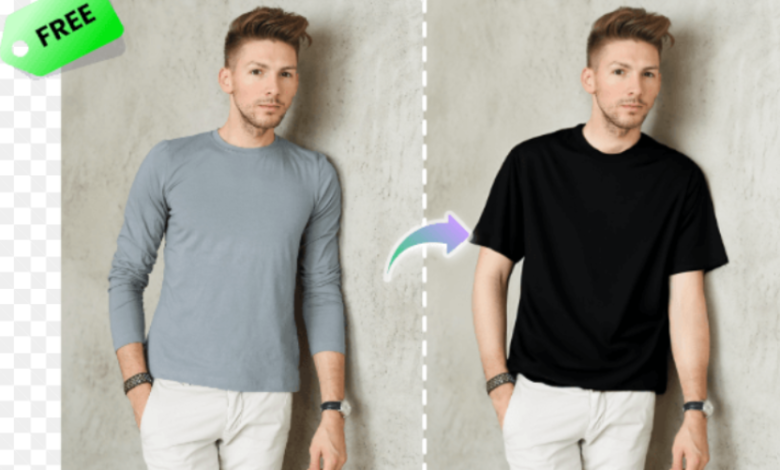
Artificial intelligence is changing the way people create and edit visual content. Tasks that once required advanced software and considerable editing experience can now be completed with AI-powered tools. From changing clothing in a photograph to generating new images and animating portraits, these technologies are giving creators more flexible ways to experiment with visual content.
AI image tools can be useful for marketers, social media creators, designers, online businesses, and everyday users. Instead of starting every project from scratch, users can combine existing images with AI features to create new visual ideas quickly.
Exploring AI Clothes Changer Technology
Fashion and e-commerce are among the areas where AI-powered image editing can be particularly useful. An AI clothes changer allows users to visualize different clothing styles on a person in an image without physically changing outfits and photographing each variation.
For example, an online fashion store could use AI to create different versions of a product image. A single model photograph could potentially be adapted to display different clothing styles, colors, or designs. This can help businesses explore concepts before investing time in additional photography.
Individuals can also use this technology for creative projects. Instead of manually editing clothing with complicated software, AI can assist with the process while maintaining the overall appearance of the person in the photograph.
Creating Visuals With an AI Image Generator
Another popular application of artificial intelligence is image generation. An AI image generator can create visuals based on written descriptions, allowing users to turn ideas into images without traditional drawing or photography equipment.
For example, a user could describe a futuristic city, a product concept, a fantasy landscape, or a professional marketing scene. The AI can interpret the description and generate a visual representation of the idea.
This can be particularly helpful during the early stages of creative projects. Designers can use generated images for inspiration, marketers can explore campaign concepts, and content creators can develop visuals for online posts.
AI-generated imagery can also reduce the time needed to create certain types of visual content. Rather than searching through large image libraries or producing every asset manually, users can experiment with AI-generated concepts that match their specific requirements.
Bringing Photos to Life
Static photographs can also be transformed into more dynamic content through animation technology. A talking photo AI tool can take a portrait and generate a speaking-style video, creating the appearance of a person talking.
This type of technology can be useful for educational content, presentations, marketing, and social media. For example, a business could create a digital presenter from a suitable portrait, while a creator could use an animated character to introduce information in a video.
Talking-photo technology can also make educational material more engaging. Instead of presenting information through a static photograph and text, creators can develop a visual character that communicates the information in a video format.
Making Content Creation More Accessible
One of the biggest advantages of AI visual tools is accessibility. Professional image editing and animation software can have complicated interfaces and require significant practice. AI-powered tools simplify certain tasks by automating parts of the creative process.
This does not remove the importance of good creative decisions. The quality of the original image, the instructions provided to the AI, and the intended purpose of the content can all influence the final result. However, automation allows users to experiment with ideas that might otherwise require specialized skills.
Useful Applications for Businesses
Businesses can use AI image technology in several ways. E-commerce companies can explore clothing variations, marketers can develop campaign visuals, and content teams can create customized graphics for digital platforms.
For online stores, an AI clothes changer can help visualize different product combinations. An AI image generator can support advertising and branding concepts, while talking-photo technology can be used for promotional or informational videos.
These tools can also support rapid experimentation. Instead of spending extensive time producing one visual concept, teams can create multiple variations and determine which direction fits their project.
The Future of AI-Powered Visual Content
AI-powered image technology continues to expand, providing users with new ways to create, edit, and animate visual content. The combination of image generation, photo editing, and animation can make the creative process more flexible.
Whether someone wants to experiment with fashion visuals, generate original artwork, or turn a portrait into a speaking presentation, AI tools provide new possibilities without requiring traditional production methods for every project.
As these technologies continue to develop, they are likely to become an increasingly common part of digital content creation. For creators and businesses, learning how to use these tools effectively can provide new ways to transform simple ideas into engaging visual experiences.


